Key Server Room Components
A server room houses critical infrastructure that supports communication e.g. VoIP PBX system, and data storage, and network connectivity. Whether a corporate office or data center, when properly designed it ensures that systems operate reliably and efficiently. Several essential components work together within this environment to maintain stability, organization, and security. Among the most important are network switches, patch panels, cable management systems, power distribution units, uninterrupted power supplies, server racks, and firewalls. Each of these elements plays a distinct role in maintaining a well-structured and resilient IT infrastructure.
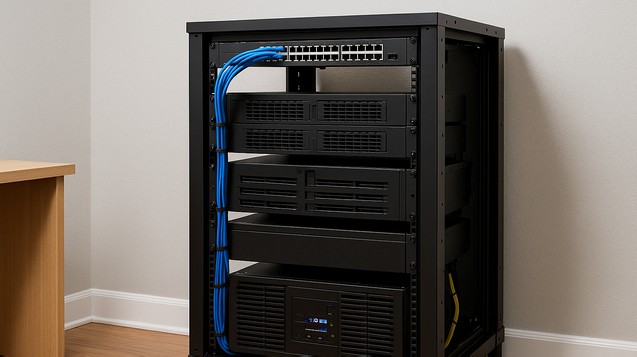
A data center is a secure space designed specifically to house key networking equipment and computer servers. This space has controlled cooling through the use of air conditioning systems. Also, the space remains one of the most secure section within the corporate building. Usually protected by biometric access control systems and remain under 24-hour CCTV surveillance.
Server Room Rack/ Network Cabinet
A server rack acts as the nerve center for the entire corporate network. The network cabinet is where active devices get mounted. Mainly, rack cabinet can be used to mount network switches, network firewall/ router, servers, patch panels and cable organizers.
Floor standing 42U network cabinet remains an ideal server rack for a standard data center. It can house all the networking equipment thus keeping the server room clean and well organized. No clutter, no danger of cables running all over.
Server Room Equipment Price in Kenya
| Network firewall | KES 350,000 |
| VoIP PBX System | KES 350,000 |
| Server room biometric access control system | KES 65,000 |
| DLINK 24 port network Gigabyte switch with PoE | KES 35,000 |
| Network firewall appliance with one year protection license | KES 350,000 |
| Power Distribution Unit – 10 way | KES 9,000 |
| Patch panel complete with cable manager | KES 15,500 |
| 42U network Cabinet | KES 75,500 |
| Server room CCTV surveillance system | KES 65,000 |
Server racks have been designed to hold servers, networking equipment, and related hardware in an organized and space-efficient manner. These racks follow standardized dimensions, allowing equipment from different manufacturers to be installed within the same structure.
Racks provide several advantages within a data center environment. First and foremost, they maximize the use of vertical space, enabling multiple devices to be installed in a compact footprint. Secondly, they also improve airflow by maintaining proper spacing between equipment, which helps prevent overheating.
Most racks include mounting rails, cable management accessories, and ventilation features. Some racks enclosed with lockable doors to provide physical security and protect the equipment inside. By centralizing equipment in an organized structure, server racks simplify maintenance and improve the overall appearance of the server room.
Network Firewall
A firewall security protects the network from unauthorized access and cyber threats. It monitors incoming and outgoing network traffic. And uses predefined security rules to determine whether the traffic should be allowed or blocked.
Firewalls serve as a barrier between the internal network and external networks such as the internet. By filtering traffic based on parameters such as IP addresses, protocols, and ports, they help prevent malicious activity from reaching sensitive systems.
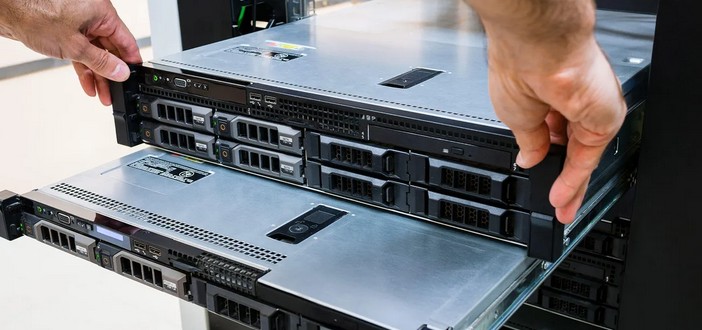
Modern firewalls often include advanced capabilities such as intrusion prevention, application control, and virtual private network (VPN) support. These features allow organizations to enforce strict security policies while enabling secure remote access for authorized users.
Within the protected IT room, the firewall typically positioned at the edge of the network, where it can inspect all traffic entering or leaving the infrastructure. Its role in safeguarding organizational data and maintaining network integrity makes it an indispensable part of the server environment.
A standard network firewall has the capability of protecting the corporate network from external threats. Besides providing level 3 switching. Hence, an internet service provider can connect the wide area network WAN link directly into the firewall eliminating the need for a router.

Besides preventing unauthorized access, the firewall can also prevent malicious activity by scanning traffic entering and leaving the corporate network. Based on the configured policies, all malicious traffic will be blocked.
ORACO Kenya supplies and installs network firewalls for various client requirements. For instance, besides being distributors of the Sophos Firewall, we also offer endpoint protection solutions. Likewise, ORACO Kenya is a FortiGate firewall dealer.
Network Switches
Endpoint devices such as computers, wireless access points and IP Phones get connected to the corporate network through the network switches. We have various types of switches in the market depending the client requirement. For instance, we have PoE and non PoE switches. The PoE switches get mainly used for powering up IP phones and sometimes wireless access points.
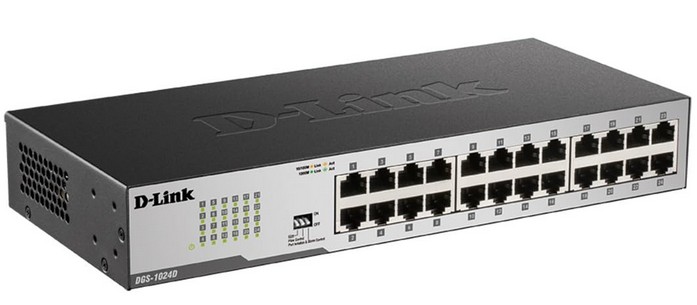
Another switch category can be based on the speeds pushed per data port. Most corporate networks run on Gigabyte switches that offer very high data transfers. However, small businesses can still run on non-gigabyte switches which tend to be affordable.
The other switch category come with connection ports that can be configured to allow traffic from particular VLANs. Also known as managed switches. The market today has smaller switches, known as desktop switches. Nonetheless, we recommend installing rack mountable network switches, either with 24 ports or 48 ports
Network switches are central devices within a server room that enable communication between multiple devices on a local network. Switches act as the connecting point for servers, computers, printers, and storage systems. And also connect other network-enabled equipment such as wireless access points. Basically, a switch receives incoming data packets and intelligently forwards them to the correct destination device.
In a well-designed server room, switches usually get installed in racks and connected through patch cords. The placement and configuration significantly influence overall network efficiency, making them one of the most critical components of the infrastructure.
see; turnstile pedestrian gate system
Patch Panels and Cable Managers
A well-organized server racks leads to better air flow, network stability and faster troubleshooting. A server rack must have patch panels and cable managers installed. Patch panel make cable management easy; no loose hanging cables. Also, patch panel simplify troubleshooting because every cable termination is well labelled.
The cable managers will help in keeping the structured cabling infrastructure well organized and neat. When properly installed the patch panel and the cable manager, actually make maintenance of the networking infrastructure easy.
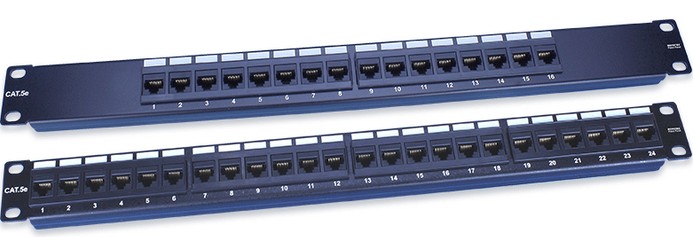
Patch panels provide a structured and organized way to manage network cabling. The patch panel act as an intermediary between the permanent building cabling and the network equipment. Instead of connecting cables directly from workstations or offices to network switches, cables terminate at the patch panel. From the patch panel, short patch cords get used to connect specific ports to switches or other networking devices.
Patch panels also help maintain order within the data center. Proper labeling and organization of ports allow technicians to quickly identify connections, reducing downtime and simplifying maintenance tasks.
see; boom barrier gate system for vehicles
Cable Management
The cable management systems essential for maintaining a clean and organized data center environment. Without proper cable management, the large number of cables connecting servers, switches, and other equipment can quickly become tangled and difficult to administer.
Cable trays, vertical organizers, horizontal managers, and cable ties commonly used to guide and secure cables within racks. These systems ensure that cables follow a clear path, preventing them from blocking airflow or interfering with other equipment.
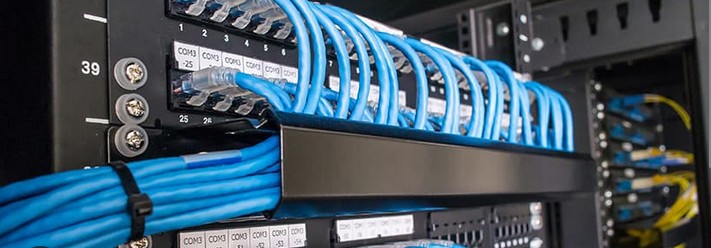
Good cable management offers several advantages. To begin with, cable management improve airflow within the server room, which helps maintain optimal temperatures for sensitive equipment. Also, simplifies maintenance and upgrades because technicians can easily trace connections and replace cables when necessary. Additionally, organized cabling reduces the risk of accidental disconnections that could disrupt critical network services.
Computer Servers
The computer servers usually host important applications and programs that ensure smooth running of the business. Some of the obvious applications include accounting software, payroll software, call center software among other business application software.
see; call center software
The components in a server room form a robust infrastructure capable of supporting modern business operations. A thoughtfully designed data center improves system reliability. Also simplifies maintenance, enhances security, and ensures that the organization’s technological resources remain available whenever they are needed.
Power Distribution Units (PDUs)
The Power Distribution Units responsible for distributing electrical power to the various devices installed in server racks. A single rack may contain several servers, networking devices, and storage systems, all of which require reliable power. PDUs provide multiple outlets and ensure that electricity is safely delivered to every device on the rack.
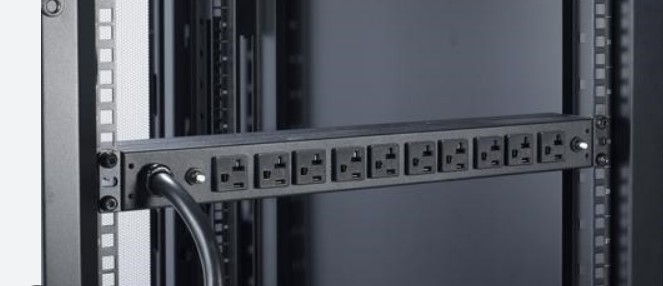
Proper power distribution essential for preventing electrical overloads and ensuring that all devices receive stable power. By centralizing power connections within the rack, PDUs also help maintain an organized and professional installation.
Server Room Uninterrupted Power Supply (UPS)
An uninterrupted power supply plays a critical role in protecting equipment from power interruptions and fluctuations. Electrical outages, voltage drops, or sudden surges can cause severe damage to servers and the networking devices. A UPS can act as a backup power source that provides electricity during short-term outages.
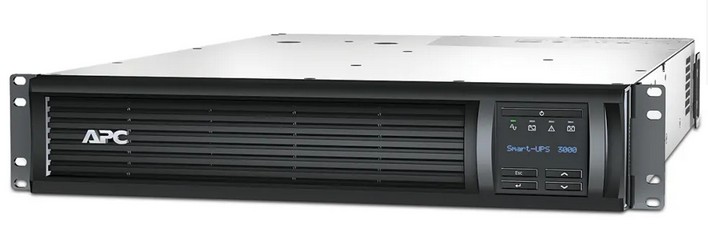
When the main power supply fails, the UPS automatically switches to battery power. This allows servers and networking equipment to continue operating temporarily during the power outage. This window of time enables administrators to safely shut down systems or wait for backup generators to start.
UPS systems also provide power conditioning. This stabilizes voltage levels and protects equipment from electrical disturbances. By maintaining consistent power delivery, the UPS helps extend the lifespan of sensitive hardware and ensures the continuity of business operations.
Reliable power remains one of the key requirements for data center setup. All the network resources should be available all the time to ensure smooth business operation. Uninterrupted power supply ensure that computer servers and all other active devices get powered up at all times. Solar power backup solutions have ensured that normal business operation continue in spite of power outage from the main grid.